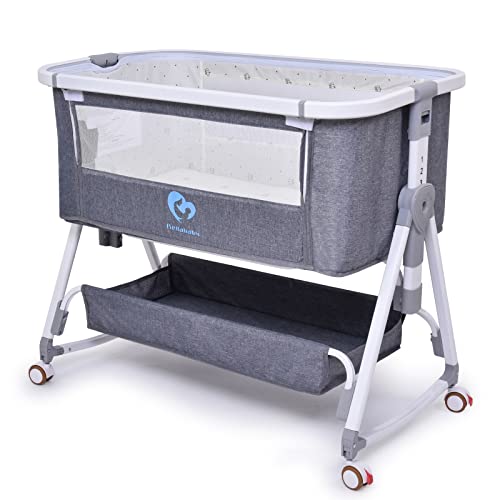
Cots for Tots: A Comprehensive Guide to Choosing the Right Crib for Your Baby
When it concerns getting ready for a new arrival, couple of purchases are as crucial as selecting the right cot for your infant. Not only does a crib offer a safe sleeping environment, however it likewise plays a necessary role in your baby's development. This post intends to assist moms and dads through the various aspects of choosing a cot, making sure that they make an educated decision that satisfies their child's requirements.
Understanding the Importance of a Safe Sleeping Environment
The American Academy of Pediatrics (AAP) emphasizes that a safe sleep environment is a substantial factor in lowering the risk of Sudden Infant Death Syndrome (SIDS). A properly chosen cot can supply the security, convenience, and needed assistance for a growing baby. Here are several bottom lines that highlight the importance of selecting the right cot:
- Safety Standards: The cot must comply with safety guidelines to avoid dangers.
- Comfort: Babies require a comfortable sleeping surface to promote quality sleep.
- Advancement Support: The ideal style can assist in healthy physical advancement.
Key Features to Consider When Choosing a Cot
When picking a cot, parents ought to evaluate different features to guarantee that the option lines up with their baby's developmental requirements. Below are some necessary factors to consider:
1. Security Standards
- Material: Look for cots made from non-toxic products and surfaces.
- Design: Ensure there are no sharp edges or protruding parts.
- Certification: Check for compliance with safety ratings.
2. Size and Design
- Dimensions: Cots can be found in standard sizes. Ensure it fits your nursery.
- Adjustable Mattress Heights: Cots with adjustable heights can accommodate your growing baby and promote easier access.
- Portability: Consider whether you require a mobile alternative that can be easily moved.
3. Design and Aesthetic
- Style Preferences: Choose a cot that complements your home design.
- Colors and Finishes: Various choices are available to fit your taste.
4. Cost and Quality
- Budget plan: Determine your budget plan beforehand to narrow options.
- Durability: Invest in a strong cot that can last through multiple kids, if essential.
5. Brand Reputation
- Reviews: Look for feedback from other moms and dads.
- Guarantee: An excellent service warranty can be a sign of the maker's confidence in their item.
Kinds Of Cots Available
When exploring cots for infants, parents will encounter different choices tailored to different requirements and choices. Here are the most typical kinds of cots:
| Type of Cot | Description |
|---|---|
| Requirement Crib | The conventional crib with a fixed style, suitable for newborns to toddlers. |
| Convertible Crib | A flexible choice that transforms into a young child bed, daybed, or full-sized bed. |
| Portable Crib | Designed for simple transport, appropriate for travel or small areas. |
| Mini Crib | A compact variation of standard cribs, ideal for apartment or condos or minimal areas. |
| Bassinet | A small, portable sleeping space for babies, typically utilized for the very first few months. |
Best Practices for Cot Setting and Maintenance
Once the right cot is chosen, it is important to set it up properly and preserve it to make sure safety for your baby. Here are some best practices:
- Location: Place the cot far from windows, cords, and other dangers.
- Bed linen: Use a company bed mattress with a fitted sheet and prevent pillows, blankets, or stuffed animals.
- Regular Checks: Inspect the cot frequently for loose parts or use and tear.
- Prevent Bumper Pads: While lots of parents find them aesthetically appealing, they can introduce suffocation hazards.
FAQs About Cots for Tots
1. What is the most safe type of cot for babies?
The best type is a basic crib that meets security guidelines from companies such as the CPSC. Look for Cots And Tots like repaired sides and a firm mattress.
2. When can I move my baby to a young child bed?
Usually, children can relocate to a toddler bed around the age of 2 to 3 years, but it's necessary to examine your kid's preparedness based upon their size and capability to climb out of the crib.
3. How frequently should I check my baby's cot?
Inspect the cot every few weeks to make sure all screws are tight, and there are no indications of wear or harmed parts.
4. Are convertible cribs worth the investment?
Convertible cribs can be a great financial investment as they adjust to your child's growth and can last for a number of years, potentially saving money in the long run.
5. What's the best mattress type for a cot?
A top quality foam or innerspring bed mattress that fits comfortably within the crib frame is advised to make sure security and comfort.
Selecting the right cot is an important decision for new parents, impacting both the safety and well-being of their baby. With various alternatives available, understanding the functions, types, and best practices can make this choice process simpler. By doing extensive research and considering the necessary aspects detailed in this article, moms and dads can ensure a safe, comfy, and aesthetically pleasing sleeping arrangement for their child. Investing time in this option not just sets the phase for safe sleep but also supports the baby's development during those vital early months.